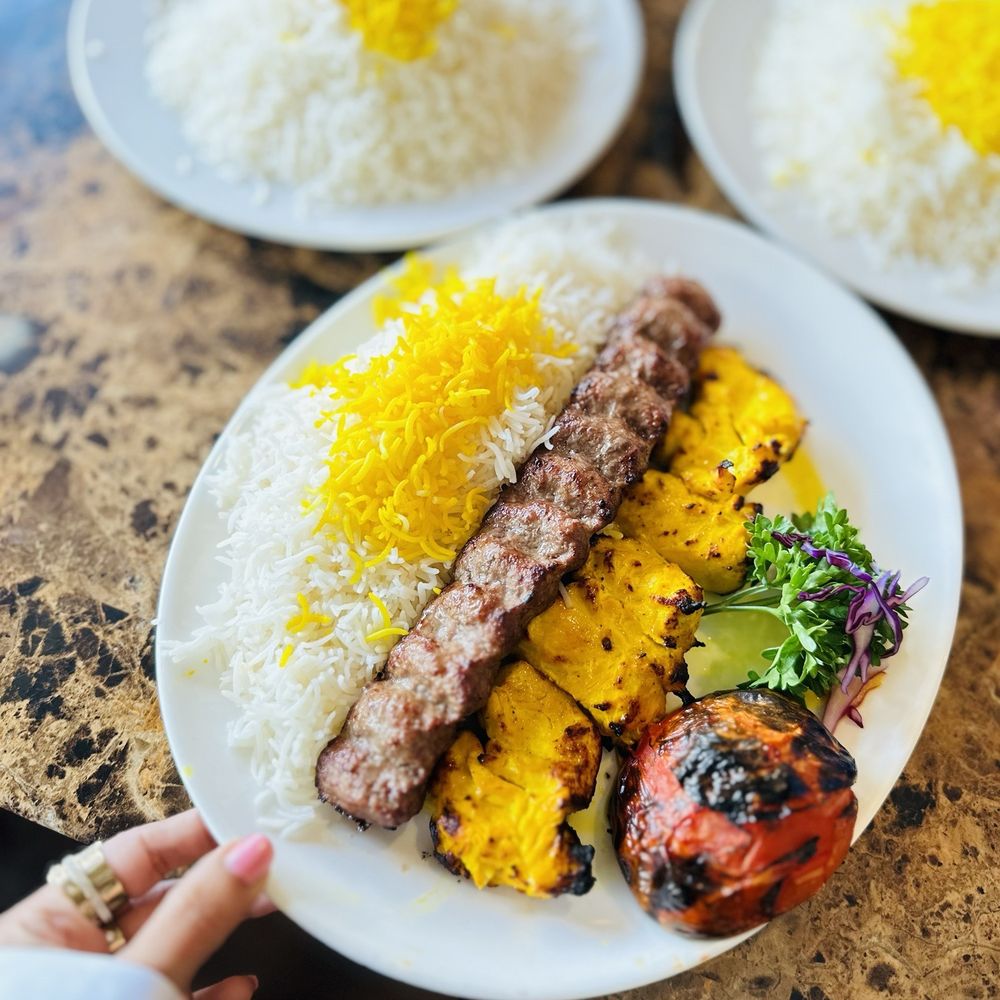
In the highly competitive landscape of the Los Angeles hospitality industry, the transition from a successful “neighborhood staple” to a global “fine-dining destination” is a maneuver fraught with risk. Yet, the opening of Perse in Brentwood serves as a definitive case study in how to execute this pivot with surgical precision. Founded by Farinaz “Naz” Pirshirazi, Farbod Pirshirazi, and Mark Amin, Perse is a calculated, high-stakes investment in the belief that Persian cuisine—one of the world’s oldest and most sophisticated culinary traditions—is ready to occupy the same luxury tier as Michelin-starred French or Japanese establishments.

From a strategic standpoint, Perse is a brilliant evolution of the founders’ first venture, Toranj. While Toranj established the brand’s authenticity and built a loyal community base, Perse is designed to capture the high-net-worth demographic of Brentwood and beyond. This is “Brand Persian” reimagined for a global audience. Naz Pirshirazi’s background in nutrition and public health at UC Irvine and UC Berkeley provides the restaurant with a unique “Intellectual Property”—a kitchen philosophy grounded in the bio-availability of fresh ingredients and the meticulous balance of flavors that define the Mediterranean and Middle Eastern diets.
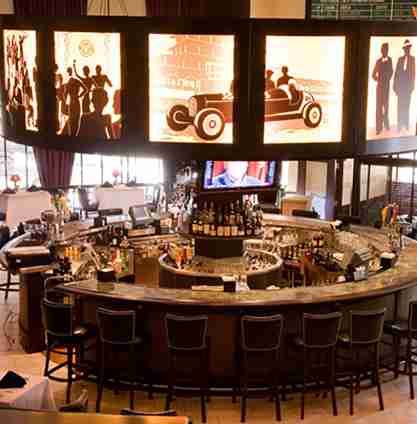
The Architecture of Luxury The restaurant’s physical space is an exercise in “Quiet Luxury.” The design takes heavy inspiration from the iconography of Persian gardens, a UNESCO-recognized heritage of landscape design that emphasizes symmetry, water, and shade. By translating these ancient principles into a contemporary interior, Perse creates an environment that feels both timeless and cutting-edge. The use of warm textures, soft lighting, and symbolic floral motifs creates a “high-barrier-to-entry” atmosphere that justifies its fine-dining price point. This isn’t just a place to eat; it’s a place of business, a place of celebration, and a sanctuary for the city’s elite.
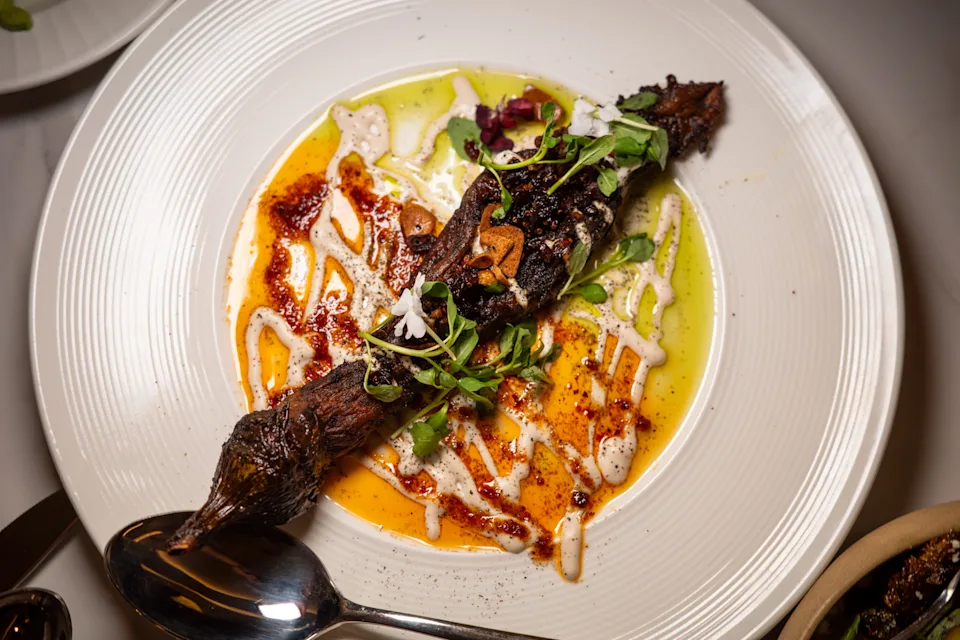
Product Innovation: Elevating the Traditional The menu at Perse is a masterclass in product positioning. Take, for example, the Fesenjoon. By offering three distinct versions—plant-based, Cornish hen, and duck confit—the kitchen is practicing “inclusive luxury.” The inclusion of duck confit is a particularly savvy move; it builds a bridge between the familiar techniques of French haute cuisine and the exotic flavors of the Persian walnut-pomegranate base. This allows the restaurant to appeal to a broad spectrum of international diners while maintaining its core cultural identity.
The Short Rib Ghormeh Sabzi represents a significant upgrade in “value proposition.” Traditionally a rustic, home-style stew, Perse has elevated it by using premium short rib, slow-cooked to a level of tenderness that rivals the finest steakhouses in the country. The heavy lifting of the flavor profile—done by barberries, saffron, and a complex herb blend—showcases the depth of Persian gastronomy. It proves that “ethnic” food does not have to be “cheap” or “casual”; when executed with this level of technical rigor, it is world-class.
Operational Excellence and Market Reach The beverage and wine program at Perse is designed to compete with the best cellars in the world. By stocking old-world selections ranging from vintage Chardonnay to the legendary Château Lafite Rothschild, Perse is making a bold statement about its culinary weight. The message is clear: Persian food has the acidity, the herb-forward profile, and the structural complexity to stand up to the most prestigious wines on the planet.
Furthermore, the operational strategy—utilizing OpenTable with a strict 90-day reservation window and a midnight “drop” time—creates a “scarcity model” that drives demand and maintains the brand’s aura of exclusivity. This is a business built on the pillars of heritage, health, and high-end hospitality. Perse is not just a win for the Pirshirazi family; it is a significant milestone for Los Angeles, proving that the city’s culinary future lies in the elevation and celebration of its diverse, immigrant-driven soul.