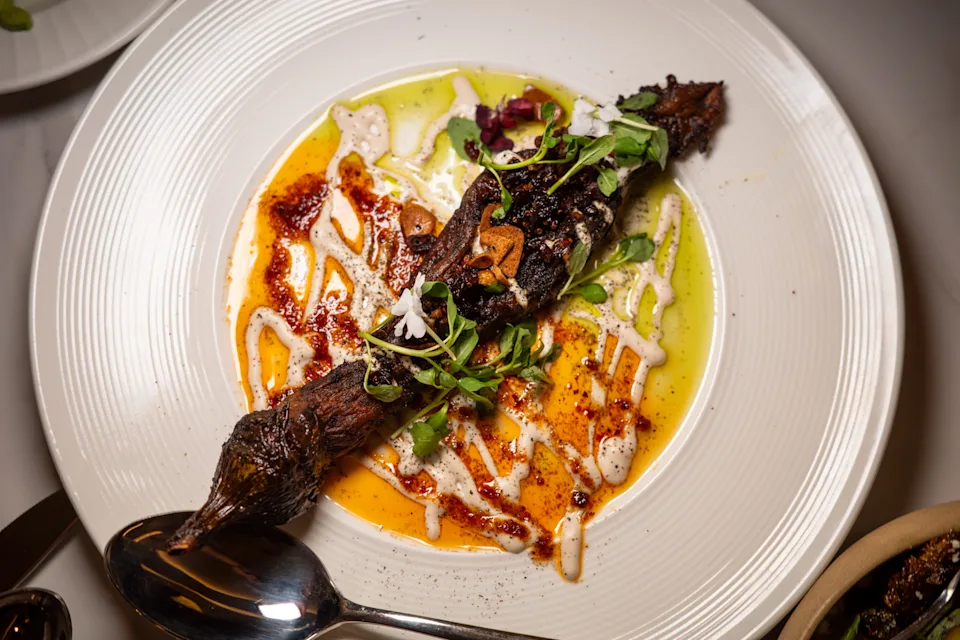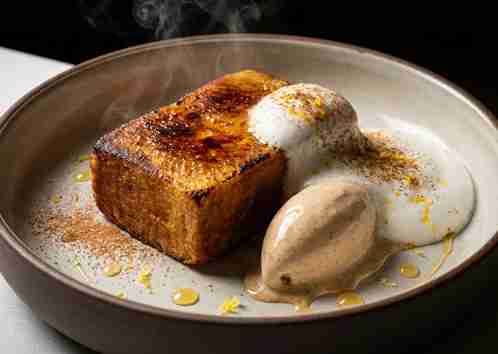
In the ever-evolving world of luxury dining, few names echo with as much quiet power as Per Se. Located in the heart of New York City, this legendary restaurant once stood as a symbol of perfection, precision, and culinary artistry. But in an era dominated by innovation and bold experimentation, the question lingers: is Per Se still relevant, or is it merely a ghost of its former glory?

Per Se, created by the iconic chef Thomas Keller, has long been synonymous with excellence. Holding three Michelin stars for nearly two decades, it represents the pinnacle of traditional fine dining. Every dish is crafted with meticulous attention to detail, offering a tasting menu that changes daily. The service is flawless, almost theatrical, and the ambiance is serene—almost eerily calm.
However, the dining world has shifted. Restaurants like Noma have redefined what it means to be “the best,” focusing on creativity, locality, and storytelling. Compared to such avant-garde establishments, Per Se feels restrained. Some critics argue that its refusal to evolve has made it predictable.
Yet, this predictability is also its strength. Diners who visit Per Se know exactly what they are getting: perfection. Not chaos, not risk—just refined, disciplined cuisine.
So, is Per Se still the best? Perhaps not. But like a silent throne in a forgotten kingdom, it remains a powerful reminder of what fine dining once aspired to be.