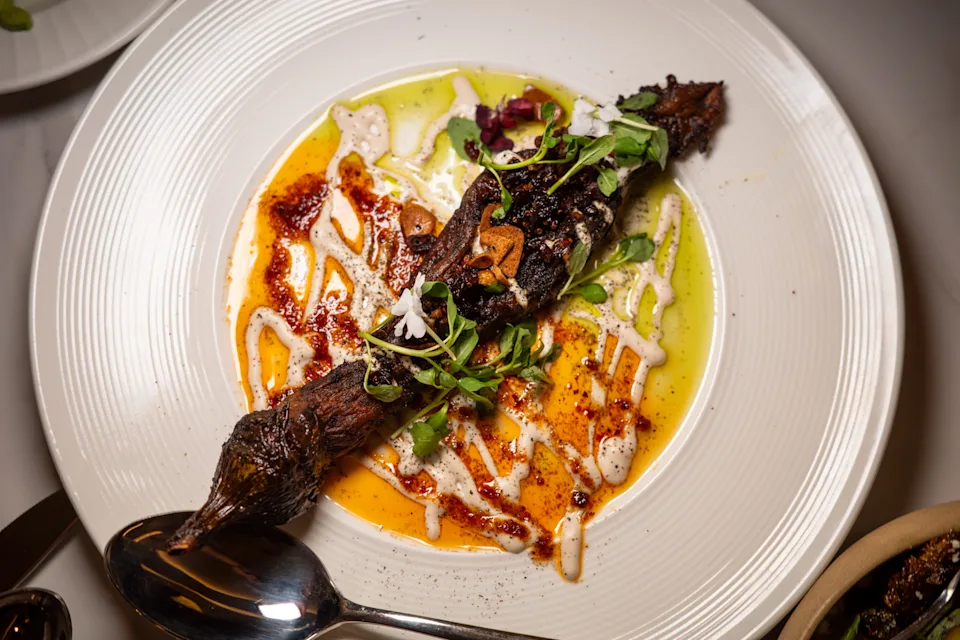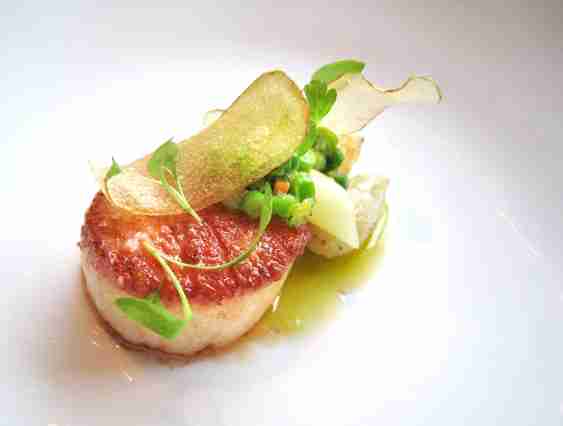
At the heart of every five-star dish lies a profound transformation—one that turns simple ingredients into extraordinary culinary masterpieces. This transformation is driven by technique, the cornerstone of professional cooking, and the defining factor that separates good food from exceptional cuisine. In the hands of a skilled chef, technique becomes a powerful tool that unlocks the full potential of every ingredient.
The journey begins with understanding. Chefs must have an intimate knowledge of the ingredients they work with, including their flavor profiles, textures, and behaviors under different conditions. This knowledge allows them to choose the most appropriate techniques for each element, ensuring that nothing is left to chance. Whether it is a delicate herb or a robust protein, every ingredient is treated with precision and care.
One of the key aspects of technique is control. In a five-star kitchen, nothing is approximate—everything is exact. Temperatures are measured to the degree, cooking times are calculated to the second, and portions are weighed with accuracy. This level of control ensures consistency, allowing chefs to deliver the same exceptional experience to every guest, every time.
Innovation also plays a significant role in the transformation process. While classical techniques provide a strong foundation, modern chefs often incorporate new methods to push the boundaries of what is possible. From sous-vide cooking to advanced emulsification techniques, these innovations allow for greater precision and creativity. They enable chefs to achieve textures and flavors that were once unimaginable, adding a new dimension to the dining experience.
Texture is another critical element in the creation of a five-star dish. A well-crafted dish offers a variety of textures that enhance the overall experience. Crisp elements provide contrast to softness, while smooth components add a sense of richness. Achieving this balance requires careful planning and execution, as each element must complement the others without overwhelming them.
Flavor development is perhaps the most important aspect of the transformation process. Techniques such as caramelization, reduction, and fermentation are used to build depth and complexity. These processes enhance the natural flavors of the ingredients, creating a more intense and satisfying experience. The goal is to create layers of flavor that unfold with each bite, keeping the diner engaged from start to finish.
Finally, the transformation is completed through presentation. The way a dish is plated can significantly impact how it is perceived. In five-star dining, presentation is an art form that requires both creativity and discipline. Chefs carefully arrange each component to create a visually appealing composition, using color, shape, and space to guide the diner’s eye.
In essence, the art of transformation is what defines the creation of a five-star dish. It is a process that combines knowledge, skill, and creativity to elevate ingredients into something truly remarkable. For those who experience it, it is a reminder that cooking, at its highest level, is not just a craft—it is an art.