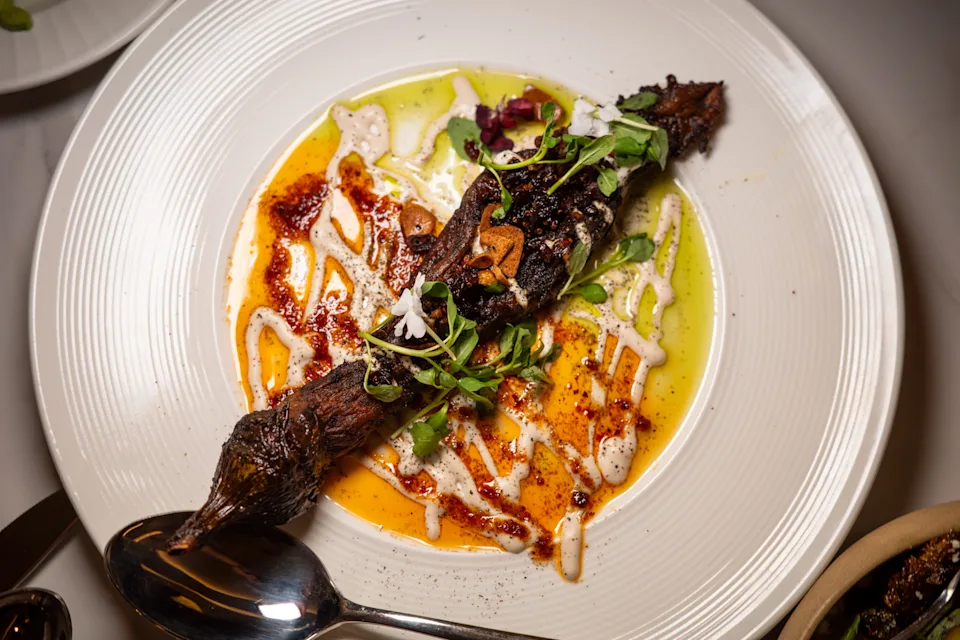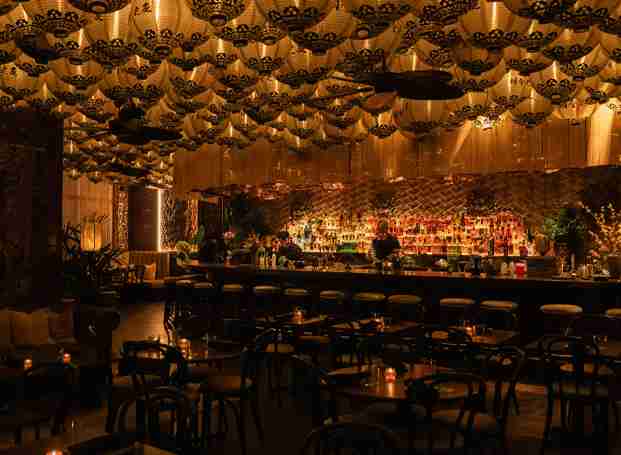
One of the most captivating aspects of dining at Per Se is its legendary tasting menu, a carefully orchestrated sequence of dishes designed to tell a culinary story. Unlike traditional menus that offer choice and flexibility, Per Se removes decision-making from the diner’s hands, instead inviting them to fully trust the chef’s vision. This approach transforms the meal into a curated journey, where each course builds upon the previous one in both flavor and complexity.
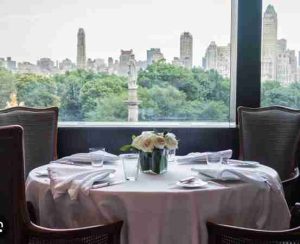
The tasting menu typically consists of nine courses, though the number can vary slightly depending on the season and availability of ingredients. What makes it truly remarkable is the rule that no ingredient is repeated throughout the meal. This constraint challenges the kitchen to constantly innovate while maintaining balance and harmony across the entire experience. Each dish must stand on its own while also contributing to the overall narrative—a delicate balance that requires extraordinary skill and planning.
The journey often begins with light, delicate flavors—perhaps a seafood-based dish that awakens the palate without overwhelming it. As the meal progresses, richer and more complex flavors are introduced, culminating in deeply satisfying meat courses. Finally, the experience transitions into a series of desserts that provide a sweet yet refined conclusion. This progression is not accidental; it is carefully designed to engage the senses and maintain excitement from start to finish.
Equally important is the presentation. Every dish at Per Se is plated with artistic precision, often resembling a piece of fine art. Colors, textures, and shapes are thoughtfully arranged to create visual harmony, enhancing the overall experience. This attention to aesthetics reflects the restaurant’s belief that dining should be a multisensory experience, engaging not just taste but also sight and emotion.
In essence, the tasting menu at Per Se is more than a collection of dishes—it is a narrative expressed through food. It invites diners to step into a world where every detail matters, where each bite has a purpose, and where the boundaries between cuisine and art begin to blur.