In a world where restaurants fight for attention with smoke, foam, and viral plating, Per Se stands almost defiantly still. It doesn’t chase trends. It doesn’t reinvent itself every year. And yet, it continues to sit at the top of the fine dining hierarchy.
Why?
Because Per Se plays a completely different game.

Instead of innovation, it focuses on refinement. Instead of shock value, it delivers consistency. Every dish is the result of years — sometimes decades — of perfection. There’s no randomness here. Everything has been tested, adjusted, and perfected to an almost obsessive level.
The dining experience reflects that philosophy. The pacing is deliberate. The service is flawless but never intrusive. The room itself feels timeless, almost detached from the chaos of modern dining culture.
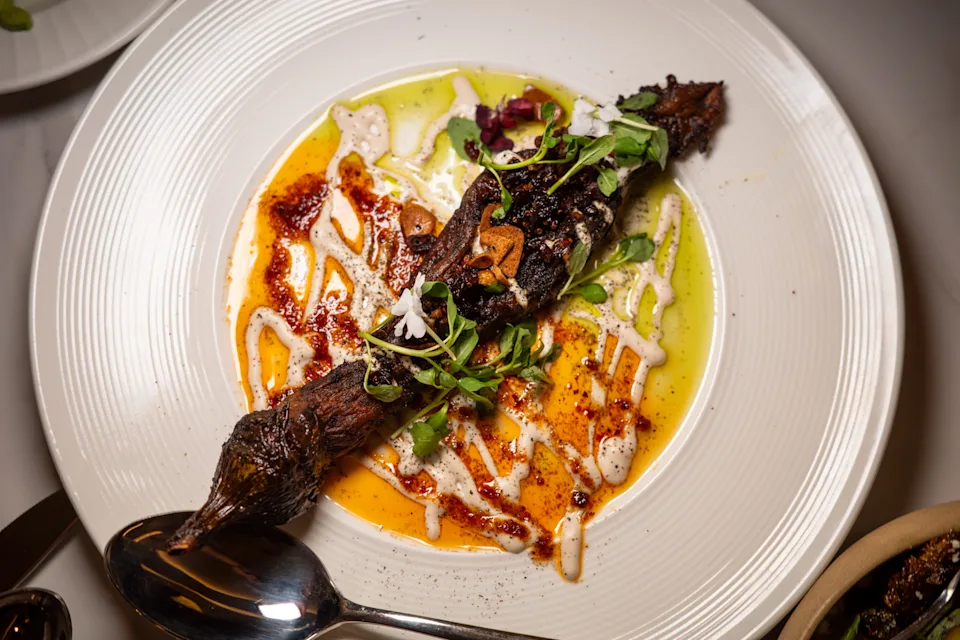
And then there’s the food.
Signature dishes like “Oysters and Pearls” aren’t just menu items — they’re institutions. They don’t need reinvention because they’ve already reached a level most chefs can’t even approach.
But this approach comes with a trade-off.
Some diners find Per Se predictable. They expect evolution, surprise, something “new.” What they get instead is consistency — and for some, that feels underwhelming.
Yet that’s the paradox: the very thing critics question is exactly what makes Per Se great.
It doesn’t try to impress you. It simply executes at a level so high that trends become irrelevant.