Per Se is often considered one of the finest restaurants in the United States. However, like any establishment, it comes with both strengths and weaknesses.
One of the biggest advantages of Per Se is its consistency. Maintaining three Michelin stars for years is a testament to its unwavering quality. Chef Thomas Keller ensures that every dish meets strict standards, resulting in a reliable dining experience.

The restaurant also excels in service. Guests are treated with exceptional care, and every detail is carefully managed. This creates a sense of luxury that few places can match.
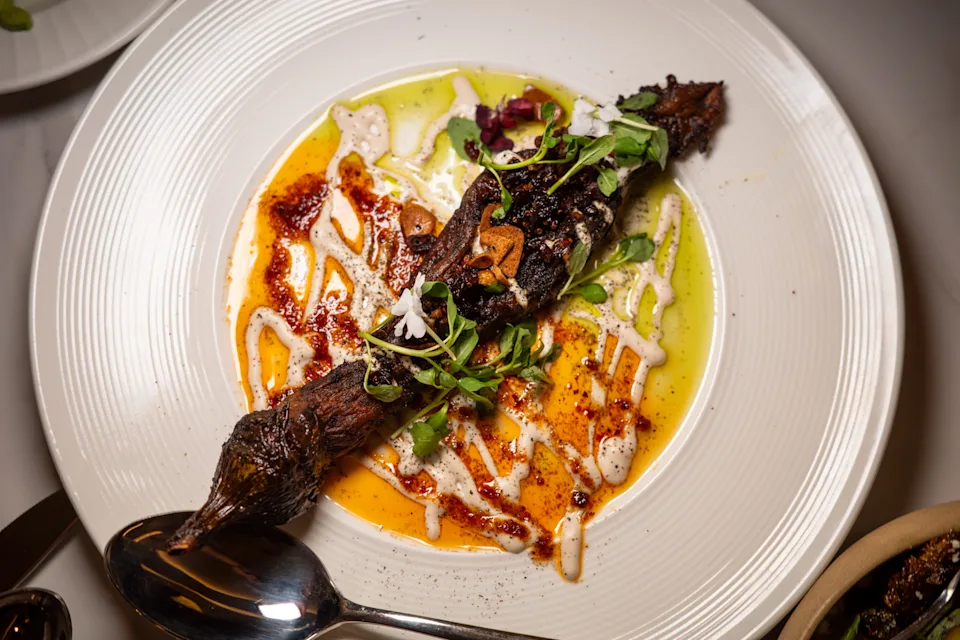
Another major strength is the quality of ingredients. Per Se uses only the best seasonal products, ensuring freshness and flavor. The presentation is equally impressive, with dishes that look like works of art.
On the downside, the cost is a significant drawback. Dining at Per Se is expensive, making it inaccessible for many people. This raises questions about value for money.
Another criticism is the lack of innovation. While the dishes are beautifully executed, they may not push culinary boundaries. This can make the experience feel less exciting compared to more experimental restaurants.
In summary, Per Se offers a world-class dining experience with exceptional service and quality. However, its high price and traditional approach may not appeal to everyone.