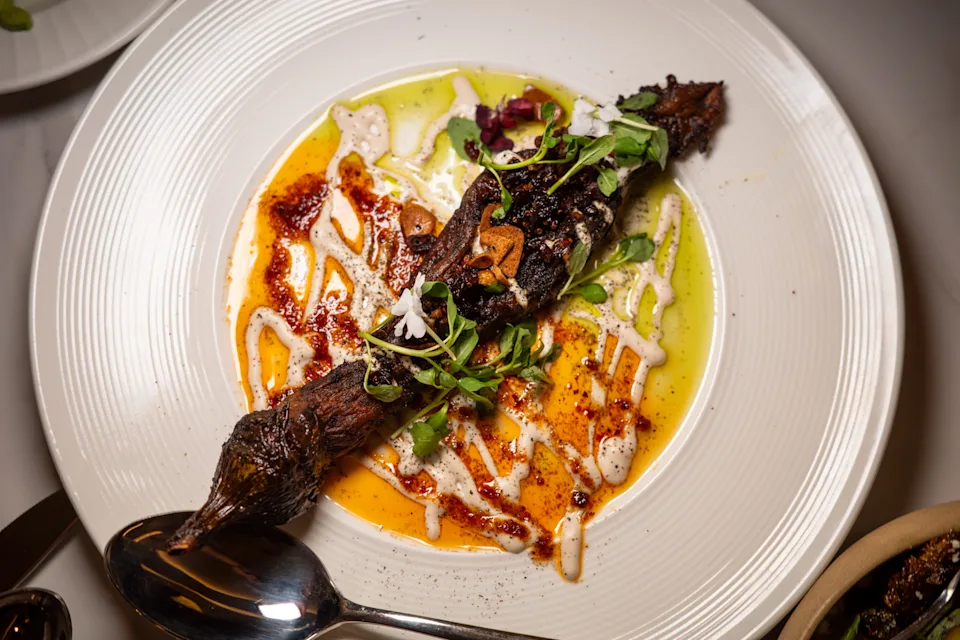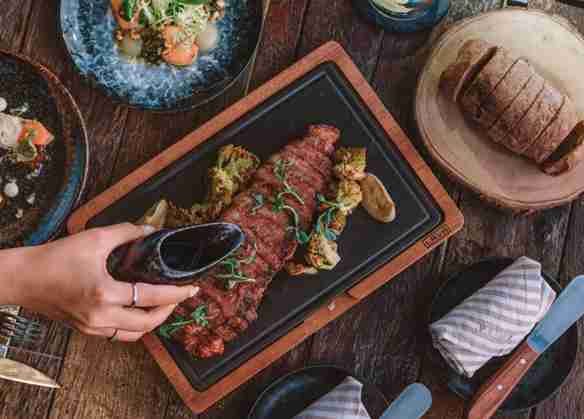
In the rarefied world of ultra-luxury dining, a five-star dish is never an accident—it is the result of obsessive precision, relentless refinement, and a philosophy that elevates cooking into an art form. At the highest level of gastronomy, the creation of a single dish can take months, even years, of experimentation before it ever reaches a guest’s table.
What diners ultimately experience in a matter of minutes is, in truth, the culmination of countless invisible hours spent sourcing, testing, adjusting, and perfecting every element down to the smallest detail. This is the hidden journey behind a truly exceptional culinary creation, and it is precisely this journey that transforms food into something unforgettable.
The process begins long before any ingredients enter the kitchen. It starts with a concept—an idea inspired by seasonality, memory, or a desire to reinterpret a classic. Expert chefs do not simply cook; they design experiences. They think about balance: how acidity will cut through richness, how texture will contrast softness with crunch, and how aroma will prepare the palate before the first bite is even taken. Every component must serve a purpose, and nothing is ever added without intention. This philosophy ensures that the final dish is not only delicious but also emotionally engaging.
Once the concept is defined, sourcing becomes the next critical step. Five-star cuisine depends heavily on the quality of ingredients, and top chefs often work directly with farmers, fishermen, and artisans to secure the finest possible products. Seasonal ingredients are prioritized because they offer peak flavor, and in many cases, they are harvested or delivered within hours of being used. This level of freshness is not just a luxury—it is a necessity. Without exceptional ingredients, even the most skilled chef cannot achieve a truly world-class result.
After sourcing comes the phase of experimentation. This is where the dish begins to take shape through trial and error. Techniques are tested repeatedly: cooking temperatures are adjusted by degrees, sauces are reduced to exact consistencies, and plating is refined until it achieves visual harmony. It is not uncommon for a single dish to undergo dozens of iterations before it meets the chef’s standards. In this stage, failure is not only expected but embraced, as each mistake provides valuable insight into how the dish can be improved.
Execution is where everything comes together. In a professional kitchen, timing is everything. Each component of a dish must be prepared simultaneously yet independently, ensuring that everything arrives at the plate at its peak condition. This requires extraordinary coordination among the kitchen team, as well as a deep understanding of how different elements interact with one another. Precision is non-negotiable—seconds matter, and even the slightest deviation can affect the final result.
Finally, presentation transforms the dish into a visual masterpiece. In five-star dining, plating is treated as seriously as flavor. The arrangement of elements on the plate is carefully considered to create balance, symmetry, and elegance. Colors are chosen to complement one another, and textures are arranged to invite exploration. The goal is to create a dish that captivates the eyes before it delights the palate.
In the end, a five-star dish is more than just food—it is a story told through flavor, texture, and presentation. It is a reflection of the chef’s vision, the quality of the ingredients, and the discipline of the kitchen. For diners, it offers not just nourishment, but an experience that lingers long after the meal has ended.